I recently found myself wanting to watch The Shawshank Redemption again.
It is one of those rare films that stays with you long after the credits roll. It is a story about hope, friendship, perseverance, and finding freedom in impossible circumstances. It is the kind of movie I would love to sit down and share with my family.
But I hesitated.
Not because I don’t appreciate the original film. Not because I think the theatrical version should disappear. The original movie deserves to exist exactly as it was created.
The problem is that the version I remember watching when I was younger feels like it has disappeared.
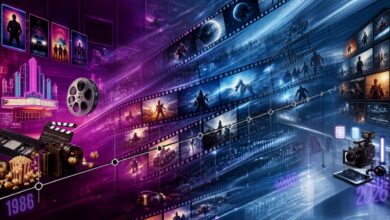
Like many people from my generation, I did not first experience many classic films in theaters or even on VHS. I discovered them on Sunday afternoons on ABC, late nights on TNT, weekend marathons on TBS, holiday programming on FOX, USA Network, and countless local stations.
For an entire generation of movie fans, those broadcasts became the definitive versions of those films.
The Shawshank Redemption wasn’t just an acclaimed prison drama. It was the movie that seemed to play on TNT constantly and somehow always pulled you in, even if you started watching halfway through.
That was the magic of cable television.
You could flip through channels, find a movie already in progress, and suddenly an ordinary afternoon became movie night.
The same thing happened with countless other films.
The Back to the Future trilogy became a family tradition because the television versions made them easy to enjoy together in the living room not that they aren’t already good enough.
Comedies were no different.
Many of us grew up watching Trading Places, Billy Madison, Happy Gilmore, Ace Ventura: Pet Detective, Dumb and Dumber, The Mask, National Lampoon’s Vacation, and countless other films from the 1980s and 1990s through their television broadcasts.
Those edited versions often became the versions we knew by heart.
Then years later, many of us bought the DVD, loaded up a streaming service, or revisited those movies and discovered something unexpected.
The movie we remembered was not exactly the movie we were watching.
There were scenes, language, jokes, nudity, sexual situations, violence, or uncomfortable moments that we either never remembered or had never actually seen. For some viewers, it was surprising. For others, it was disappointing.
The movie they remembered from TNT, TBS, ABC, FOX, or USA was not quite the same movie sitting on the shelf. That realization highlights an important distinction.
Many viewers are not asking studios to erase movies, rewrite films, or replace a filmmaker’s original vision. The theatrical cut should always exist. Director’s cuts should always exist.
Filmmakers deserve to have their work preserved exactly as intended. But audiences deserve options too. The broadcast edit is a forgotten part of movie history.
These were not simply “cut down” versions of films. They were the versions millions of people actually experienced. They were the versions families watched together. They were the versions that introduced entire generations to stories they may have never discovered otherwise.
For many households, those edits were not viewed as censorship. They were viewed as accessibility. Strong language was muted or replaced. Brief scenes of nudity were removed. Excessive violence was trimmed. Certain moments were shortened or adjusted.
The result was not a completely different movie. It was simply a version that allowed more people to enjoy it together.
Today, studios release countless versions of films:
- Theatrical editions
- Director’s cuts
- Extended editions
- Anniversary editions
- Collector’s editions
- Steelbook releases
- Remastered versions
Yet one category is almost completely missing from modern home media:
The broadcast television edit.
Why?
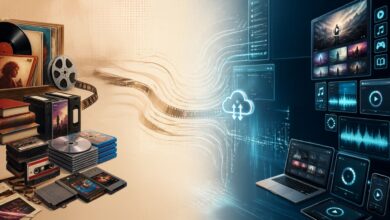
Imagine buying a Blu-ray or digital copy and having the option to choose:
- The theatrical version
- The director’s cut, if available
- The original broadcast television edit
Physical media already provides multiple audio tracks, subtitles, commentary tracks, alternate endings, and deleted scenes. Including a broadcast version would simply be another feature.
Streaming services could take this even further.
Imagine selecting your preferred viewing experience before pressing play:
- Theatrical Version
The original filmmaker-approved release. - Broadcast Television Version
The edited version many viewers remember from cable television. - Family Viewing Version
A version designed for households wanting a cleaner experience. - Custom Content Options
Let viewers decide their own preferences.
This would not remove choice.
It would create more of it.
Parents could choose the version appropriate for family movie night. Adults could enjoy the original theatrical release. Collectors and film enthusiasts could preserve every version of a film’s history.
For some films, those television versions carry their own cultural significance.
Millions remember the TNT version of The Shawshank Redemption. Others remember the cable broadcasts of Back to the Future, Trading Places, Happy Gilmore, Billy Madison, The Mask, Ace Ventura, and countless other classics that became staples of weekend television.
These versions are a form of media history worth preserving.
Some even became legendary because of the creative dialogue replacements and edits created for television broadcasts. Those changes sometimes became jokes, memes, and cultural references themselves. I’m looking at you Die Hard 2 and Snakes on a Plane.
The edited versions became their own unique experience.
There is also a business opportunity here.
Studios constantly search for ways to bring audiences back to older catalogs through anniversary releases, collector sets, and nostalgia-driven products.
A “Broadcast Classics Collection” or “Television Edition Series” could appeal to collectors, parents, families, and viewers who simply miss the way movies felt on cable television.
Many people would happily purchase these editions not because they reject the originals, but because they want options.
Modern entertainment is built around choice. Viewers choose audio formats, subtitles, editions, devices, and viewing experiences every day.
Offering official broadcast edits simply continues that tradition.
Not every movie needs one.
But for the countless films sitting just outside the boundaries of what many families are comfortable watching together, these versions could allow a new generation to discover stories their parents loved without forcing them to compromise their values or viewing preferences.
For those of us who grew up with TNT marathons, ABC movie nights, TBS weekend broadcasts, and afternoons spent flipping through cable channels looking for something interesting, these edits were more than just altered versions of movies.
They were part of how we experienced movies.
And perhaps it is time for studios to preserve them before they disappear entirely.
Because sometimes nostalgia is not just about remembering the movie itself.
Sometimes it is about remembering the version of the movie that played on a rainy Saturday afternoon while the family gathered in the living room together.