
Long before Hollywood became obsessed with the frantic race to build interconnected cinematic universes, a small group of visionary creators quietly perfected the blueprint. Led by Bruce Timm, Paul Dini, and a powerhouse creative team, the DC Animated Universe (DCAU), affectionately known by fans as the “Timm-verse”, achieved something that hasn’t been replicated since. Across 14 years, eight distinct series, and over 400 episodes, they constructed a flawless, sprawling superhero mythology that remains the gold standard of serialized storytelling.
To celebrate this monumental achievement, and to experience it completely free from the compression constraints of modern streaming, unwrapping the entire saga on Blu-ray is the ultimate way to relive the magic.
Here is why the DCAU stands unmatched as the greatest animated universe ever created, from its noir origins to its cyberpunk future.
1. Brick-by-Brick World Building
Unlike modern shared universes that rush directly into massive crossover events, the Timm-verse understood the power of patience. It built its foundation one brick at a time, allowing each distinct pocket of the universe to establish its own unique identity and tone before forcing them to collide.
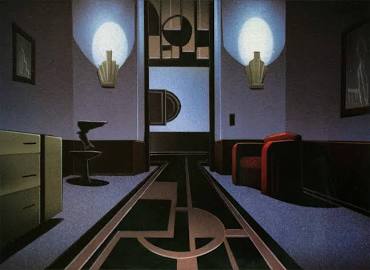
- Batman: The Animated Series (1992): The legendary starting point. It gave us a timeless, noir-infused Gotham defined by its signature “Dark Deco” aesthetic—literally painted on black paper backgrounds to create unparalleled depth and shadows.
- Superman: The Animated Series (1996): A stark and brilliant contrast. Metropolis was a bright, retro-futuristic art-deco utopia filled with sci-fi wonder, establishing a different visual and emotional landscape for the Man of Steel.
When the two titans finally crossed paths in the iconic three-part movie event World’s Finest, the team up felt entirely earned. The contrast between Batman’s cynical grit and Superman’s idealistic optimism set the stage for everything that was to come.
2. The Unmatched Scope of Justice League and JLU
When the universe finally converged into Justice League and its subsequent expansion, Justice League Unlimited (JLU), the storytelling scaled to legendary proportions.
While the “Big Seven” heroes formed the emotional core, JLU took a massive creative leap by opening the watchtower doors to DC’s entire roster. Suddenly, B- and C-list characters like The Question, Green Arrow, Booster Gold, and Vigilante weren’t just background cameos, they were given deeply compelling, multi-episode character arcs. The show managed a massive ensemble cast with effortless precision, proving that a shared universe could honor its grandest icons while making audiences fall in love with its most obscure heroes.
The DCAU Timeline at a Glance
- 1992–1995: Batman: The Animated Series (The Foundation)
- 1996–2000: Superman: The Animated Series (The Expansion)
- 1999–2001: Batman Beyond (The Cyberpunk Future)
- 2001–2006: Justice League & Justice League Unlimited (The Zenith)
3. The Bold Genius of Batman Beyond
Perhaps the ultimate proof of the universe’s narrative strength was its willingness to take massive creative risks. Batman Beyond took a premise that could have easily failed on paper—a teenage Batman mentored by an elderly, bitter Bruce Wayne in a cyberpunk future, and turned it into a masterpiece.
Instead of erasing what came before, Batman Beyond enriched the lore. It forced the audience to confront the tragic weight of time, showing the ultimate fate of Gotham and its protector. By the time the JLU episode “Epilogue” aired years later, beautifully tying together the destinies of Bruce Wayne and Terry McGinnis, the DCAU had achieved a sense of definitive closure that comic books, by design, can almost never provide.
4. Why Upgrading to Blu-ray is Essential
While these series are readily available on various streaming platforms, streaming bitrates simply cannot do justice to the sheer artistry of this era. Upgrading the entire collection to physical Blu-ray is a transformative experience for several key reasons:
- Visual Preservation: The remastered discs bring out the brilliant contrast of the hand-drawn backgrounds. The deep blacks of Gotham look richer, the bright neon lights of Neo-Gotham pop with vibrant clarity, and film grain is preserved naturally without digital artifacting.
- Uncompressed Audio: Shirley Walker’s brooding, sweeping orchestral arrangements for BTAS and the hard-hitting, industrial rock themes of Batman Beyond deserve to be heard uncompressed. The dynamic range on the Blu-ray tracks provides an immersive, cinematic audio experience.
- Archival Extras: Beyond the crispness of the episodes, the physical box sets house invaluable commentary tracks, behind-the-scenes featurettes, and creator interviews that document the history of how this universe was built from the ground up.
Final Thoughts
The Timm-verse succeeded because it never talked down to its audience. It treated children’s television with the narrative weight, emotional maturity, and artistic complexity of prestige drama. It gave us the definitive iterations of these characters, voiced perfectly by legends like Kevin Conroy and Mark Hamill.
Re-buying the saga on Blu-ray isn’t just about nostalgia, it’s about preserving a masterpiece of animation history so it can be relived exactly the way it was meant to be seen.
